Dry, Dust or Wet? Choosing a Mop Based on the Cleaning Job, Not the Floor
Grab whichever mop is closest, and the floor might look tidy for an hour. It won’t actually be clean, and the streaks that show up later will explain exactly why.
Most people pick a mop based on the floor, tile, wood, vinyl, without realizing that’s the wrong question entirely. Understanding the real types of mops and their uses starts with a different question: what’s the actual job, removing loose debris or dealing with real dirt and stains, because those are two completely different tasks.
The Question Isn’t the Floor, It’s the Job
Dry and dust mopping remove loose debris, dust, hair, crumbs, without any liquid involved at all. It’s daily maintenance work, meant to happen often, sometimes multiple times a day in busy areas.
Wet mopping does something entirely different. It introduces a cleaning solution to lift stuck-on dirt, grease, and residue, and it’s the step that actually sanitizes a floor rather than just tidying its surface. These aren’t two ways of accomplishing the same result. They’re two separate jobs that happen to use the same floor.
Why the Order Actually Matters
Skip the dry step and go straight to wet mopping, and the result is worse than doing nothing at all.
Wet mopping over loose dust and grit doesn’t clean it away. It mixes that debris with the cleaning solution, grinding it into the floor’s surface and leaving behind a gritty residue or streaks once it dries. That’s exactly why professional cleaning routines always run dry or dust mopping first, clearing loose debris, before a wet mop ever touches the floor.
Matching Mop Format to the Space
Beyond the dry-versus-wet distinction, the right format depends on the space itself.
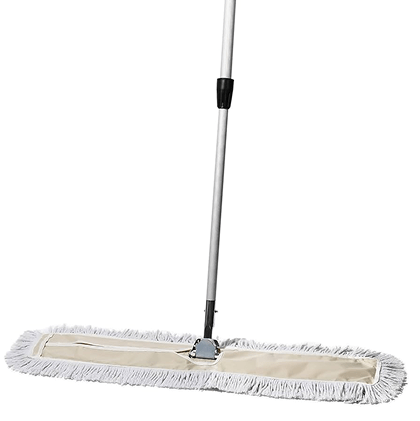
- Large open areas, warehouses, retail floors, need a wide dust mop for efficient daily coverage.
- Tighter spaces and corners do better with a lighter cotton dry mop that maneuvers easily.
- Spills, stains, and sanitizing calls for a proper wet mop with real absorbent capacity.
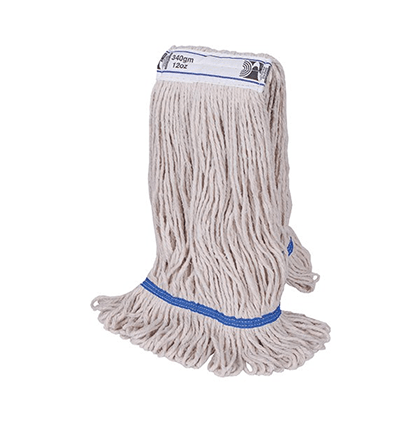
- Daily, heavy-use commercial wet mopping benefits from a Kentucky-style looped mop, built to survive constant laundering without falling apart.
Picking the wrong format doesn’t just slow the job down. It usually means recleaning the same spot twice.
Why Mahabiz
Getting the sequence and the format right depends on actually having the full range available, not settling for whatever’s in stock.
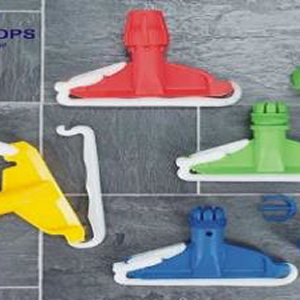
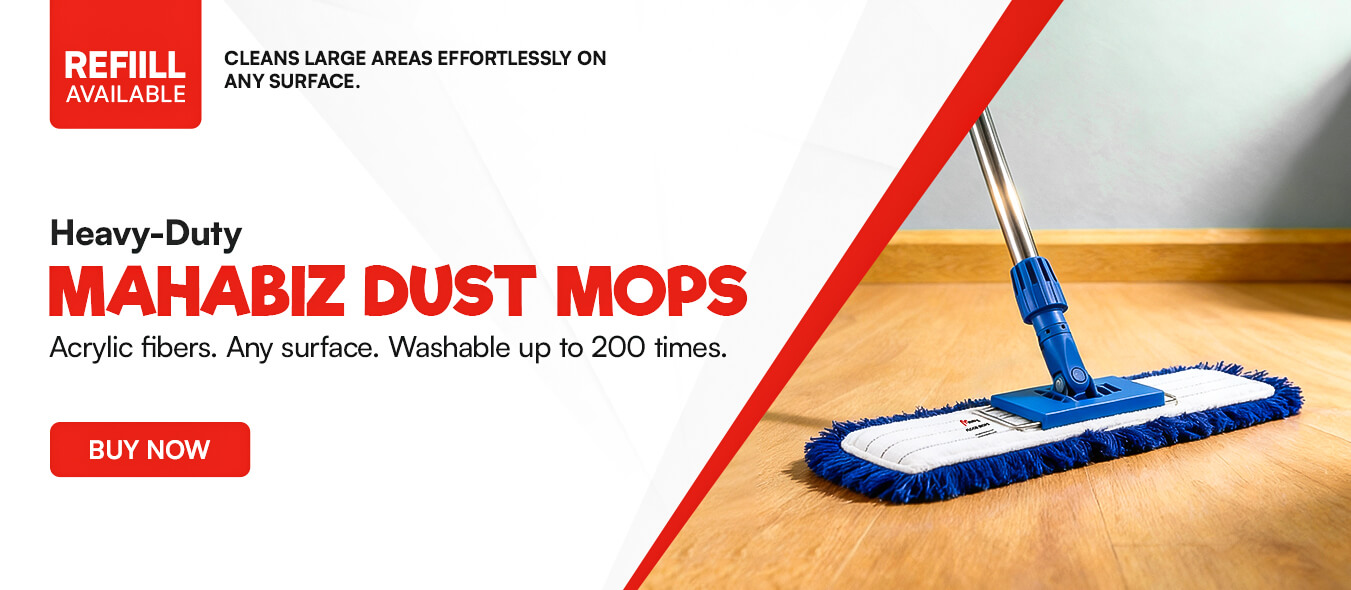
Mahabiz manufactures across all four categories, Dry Mops, Dust Mops, Wet Mops, and Kentucky Mops, alongside the handles and holders that complete a proper setup. For facilities and cleaning teams sourcing the right types of mops and their uses for a specific job rather than grabbing one mop for everything, having dry, dust, and wet options from a single manufacturer, ready for bulk and corporate orders, removes the guesswork from a decision most people never think twice about.
FAQ’s
1.What’s the difference between a dry mop and a dust mop?
Both remove loose debris without liquid, though formats vary, wider dust mops suit large open areas, while lighter dry mops handle tighter spaces.
2.Can wet mopping replace dry mopping entirely?
No. Skipping the dry step mixes loose debris into the cleaning solution, often leaving streaks or gritty residue behind.
3.How often should dry or dust mopping be done?
Daily, or multiple times a day in high-traffic commercial spaces, since it’s meant for routine maintenance, not deep cleaning.
4.When is a Kentucky mop the better choice over a standard wet mop?
For daily, heavy-use commercial wet mopping, where its looped construction holds up far longer under repeated laundering.
5.Where can I source a full range of mops for commercial cleaning?
Mahabiz manufactures dry, dust, wet, and Kentucky mops, along with handles and holders, available for bulk and corporate orders.
Conclusion
The floor was never the real question. The job being done on it was.
Match dry or dust mopping to daily upkeep, wet mopping to the deeper clean, and the right format to the space.
That sequence is the whole difference between a floor that looks clean and one that actually is.